
BakeryDiary is a recipe curation and editorial platform. We research and curate recipes from public sources, considering ratings, reviews, comments, and feedback. We then refine and present them clearly for home cooks. We are committed to an ad-free, focused experience that makes discovering and preparing recipes easier.
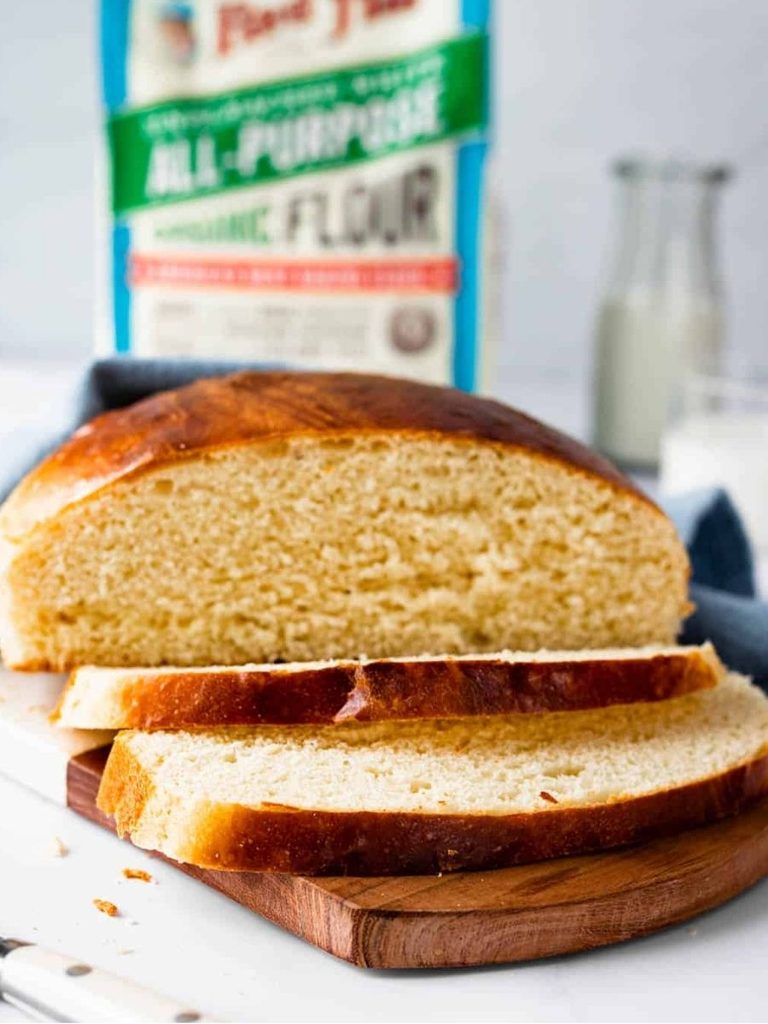
Portuguese Sweet Bread is a tender, lightly sweetened yeast bread made from a simple combination of all-purpose flour, eggs, sugar, butter, milk, and active dry yeast.
The dough produces a wonderfully soft, fluffy texture while the eggs and butter add richness without making the bread feel heavy.
A gentle sweetness runs throughout each bite, making this bread especially enjoyable when served warm with butter.
The preparation begins by combining eggs, softened butter, sugar, and salt before incorporating warm milk and proofed yeast.
Flour is gradually worked into the mixture to create a soft dough, which is then kneaded until smooth and allowed to rise.
After the first rise, the dough can be shaped into two loaves or divided into individual rolls, giving you flexibility depending on how you want to serve it.
A second rise helps the shaped dough become light and airy before baking.
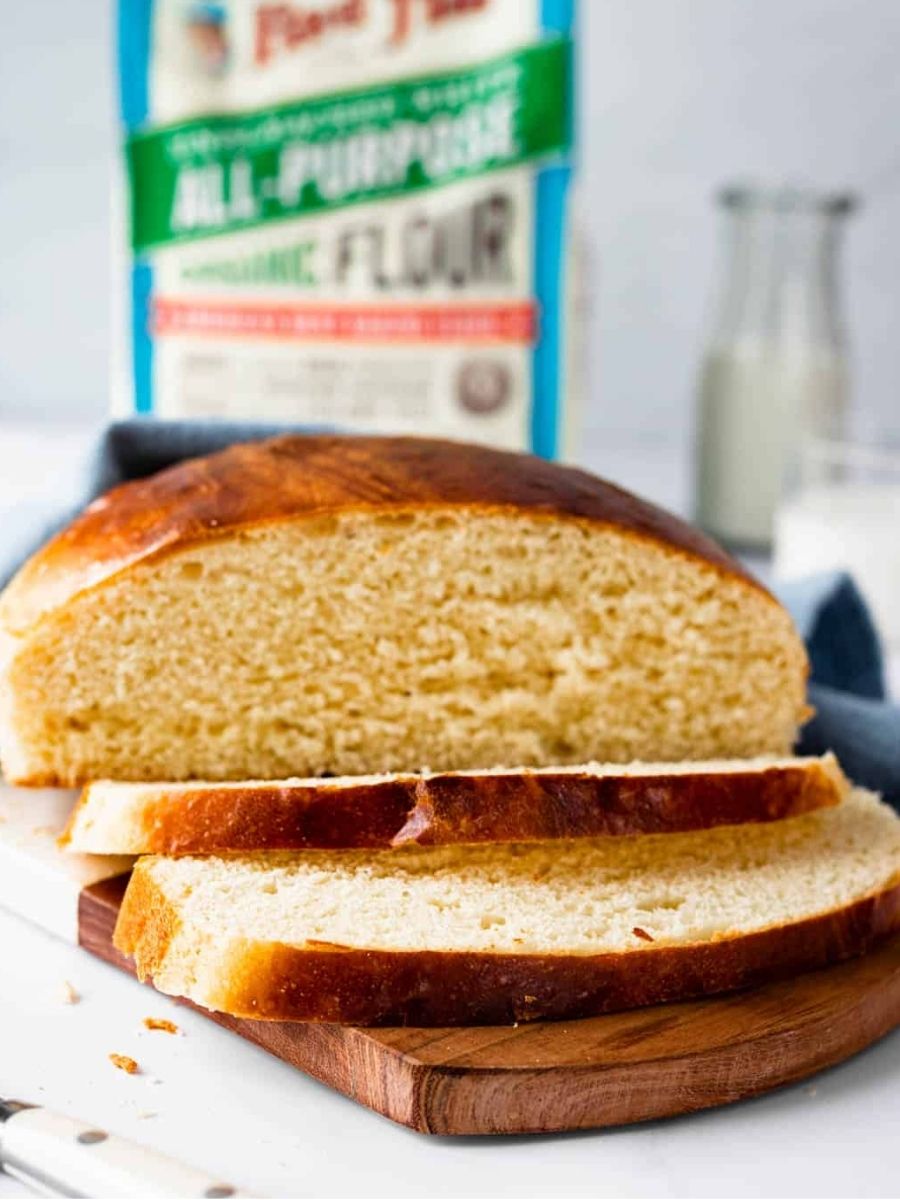
An egg wash brushed over the surface gives the finished bread an attractive golden-brown appearance.
During baking, the outside develops a delicate crust while the interior remains soft and pillowy.
Because the bread is only mildly sweet, it works beautifully for breakfast, snacks, or a simple accompaniment to a meal.
Whether shaped into loaves for slicing or rolls for pulling apart, this Portuguese-style sweet bread is a comforting homemade bake that combines a soft crumb, buttery richness, and gentle sweetness in every serving.

Classic Portuguese Sweet Bread
Ingredients
Equipment
Method
- Mix the Wet Ingredients: Use a stand mixer fitted with the paddle attachment to combine the eggs, softened butter, 1 cup sugar, and kosher salt. If you do not have a stand mixer, cream the softened butter with a fork, then whisk in the sugar, salt, and eggs until combined.
- Warm the Milk: Heat the whole milk in a small saucepan until it reaches 115°F. Pour half of the warm milk into the egg and butter mixture. Transfer the remaining half to a cup or small bowl.
- Proof the Yeast: Stir 1 teaspoon sugar into the reserved warm milk, then add the active dry yeast. Mix gently and let it stand for 10 minutes, until the yeast becomes foamy and increases in volume.
- Form the Dough: Add the proofed yeast mixture to the bowl containing the wet ingredients. Replace the paddle attachment with the dough hook. Mix on low speed while adding the flour ½ cup at a time. Continue until the ingredients come together and a ball of dough forms around the dough hook.
- Knead the Dough: Turn off the mixer and transfer the dough to a floured surface. Knead it by hand for a full 7 minutes, working the dough until it is properly kneaded and cohesive.
- First Rise: Shape the dough into a ball and place it in a greased bowl. Cover the bowl with plastic wrap and let the dough rise in a warm place for 1½ hours, or until it is almost doubled in volume.
- Divide the Dough: Remove the risen dough from the warm oven or rising area. Remove the plastic wrap and punch the dough down to release the trapped air. Divide the dough in half for two loaves, shaping each portion into a ball, or divide it into 16 portions for individual rolls.
- Shape the Rolls: If making rolls, shape each portion into a tight ball by cupping your hands around the dough and turning it against a flat surface.
- Arrange the Dough: Place the shaped rolls in a greased 10-inch round pan, or use two greased 8-inch round pans when making two loaves. Cover the pan or pans with a kitchen towel.
- Second Rise: Let the shaped dough rise in a warm oven for 1 hour. The dough should expand noticeably during this second rise.If using the oven as a warm rising space, do not heat the oven while the dough is rising.
- Prepare the Oven: After the second rise, preheat the oven to 375°F. Do not preheat the oven while the dough is still rising inside it.
- Make the Egg Wash: Whisk 1 large egg together with 2 teaspoons water until combined. Gently brush the egg wash over the surface of the shaped bread using a pastry brush.
- Bake the Bread: Bake at 375°F for 25 minutes. Begin checking the color around the 15–20 minute mark. If the bread is becoming too dark, carefully cover it with a sheet of foil and continue baking for the remaining 10–15 minutes.
- Cool the Bread: Allow the baked bread to cool completely in the pan for 30–40 minutes before removing it.
- Remove and Slice: Turn the pan over to release the loaf or rolls. Slice the loaves with a serrated knife. For rolls, separate them using a knife or gently pull them apart by hand.
- Serve Warm: Serve the Portuguese sweet bread warm with butter.
Notes
- Measure the flour by spooning it into a dry measuring cup and leveling the top with a flat edge. Avoid scooping directly from the flour bag or packing the flour into the cup.
- Check the expiration date on the active dry yeast before beginning to ensure it is still effective.
- Keep the milk at or below 115°F when proofing the yeast. A kitchen thermometer helps provide an accurate temperature.
- The yeast should become foamy and increase in volume after sitting in the warm milk for 10 minutes.
- Allow the dough enough time to rise during both rising periods. It should be almost doubled in volume after the first rise.
- Watch the bread closely during the final stage of baking. If the surface becomes dark too quickly, loosely cover it with foil and continue baking.
- Let the bread cool in the pan for 30–40 minutes before removing it to help maintain its shape.
- For a softer, more pull-apart presentation, shape the dough into 16 individual rolls. For slices, divide it into two loaves.
Chef’s Secret
The most important detail for getting a light, fluffy Portuguese Sweet Bread is giving the yeast and dough the right conditions to rise.
When warming the milk, use a thermometer and keep it at 115°F rather than relying only on how warm it feels.
After adding the yeast and sugar, allow the mixture to stand for the full 10 minutes so you can see that it has become foamy and expanded.
This gives you a useful visual indication that the yeast is active before it goes into the dough.
During both rises, keep the dough in a warm environment without overheating it.
Proper rising helps develop the soft, airy texture that makes these loaves and rolls so appealing.
Serving Suggestions
Serve the bread warm with softened butter for the simplest and most traditional presentation.
Individual rolls are especially convenient for breakfast or alongside a meal, while the loaves can be sliced with a serrated knife and served piece by piece.
The mildly sweet, buttery bread also works well as a snack or a comforting accompaniment to other dishes.
For an inviting serving platter, arrange warm rolls in a basket or place slices of the loaf on a serving board with butter alongside.
Conclusion
Portuguese Sweet Bread is a beautifully soft, lightly sweet yeast bread with a tender interior and golden finish.
Whether prepared as two loaves or 16 fluffy rolls, it makes a versatile homemade bake that is especially enjoyable warm from the pan with butter.
