
BakeryDiary is a recipe curation and editorial platform. We research and curate recipes from public sources, considering ratings, reviews, comments, and feedback. We then refine and present them clearly for home cooks. We are committed to an ad-free, focused experience that makes discovering and preparing recipes easier.
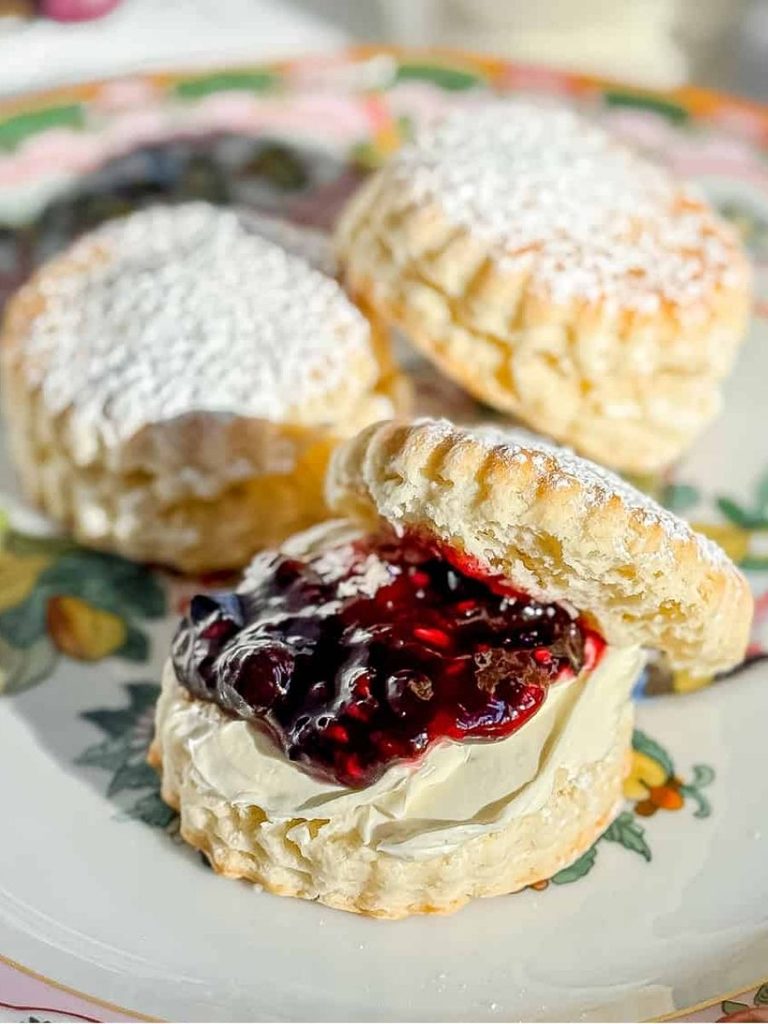
These Traditional British Cream Scones are wonderfully soft, tender, and buttery, with a lightly sweet flavor that makes them ideal for breakfast, brunch, afternoon tea, or a simple snack.
The dough combines all-purpose flour, baking powder, sugar, cold unsalted butter, egg, and chilled heavy cream to create a rich yet delicate texture.
Cutting the cold butter into the flour helps give the finished scones their characteristic tenderness, while the cream adds richness and moisture without making them heavy.
Once shaped into neat rounds, the scones are briefly chilled before baking, helping them hold their form as they rise in the oven.
A short bake at high heat produces lightly crisp, golden tops while the centers remain soft and delicate.
Enjoy them warm or cooled, with a dusting of powdered sugar if desired, for a classic homemade treat that feels equally at home on a tea tray or breakfast table.
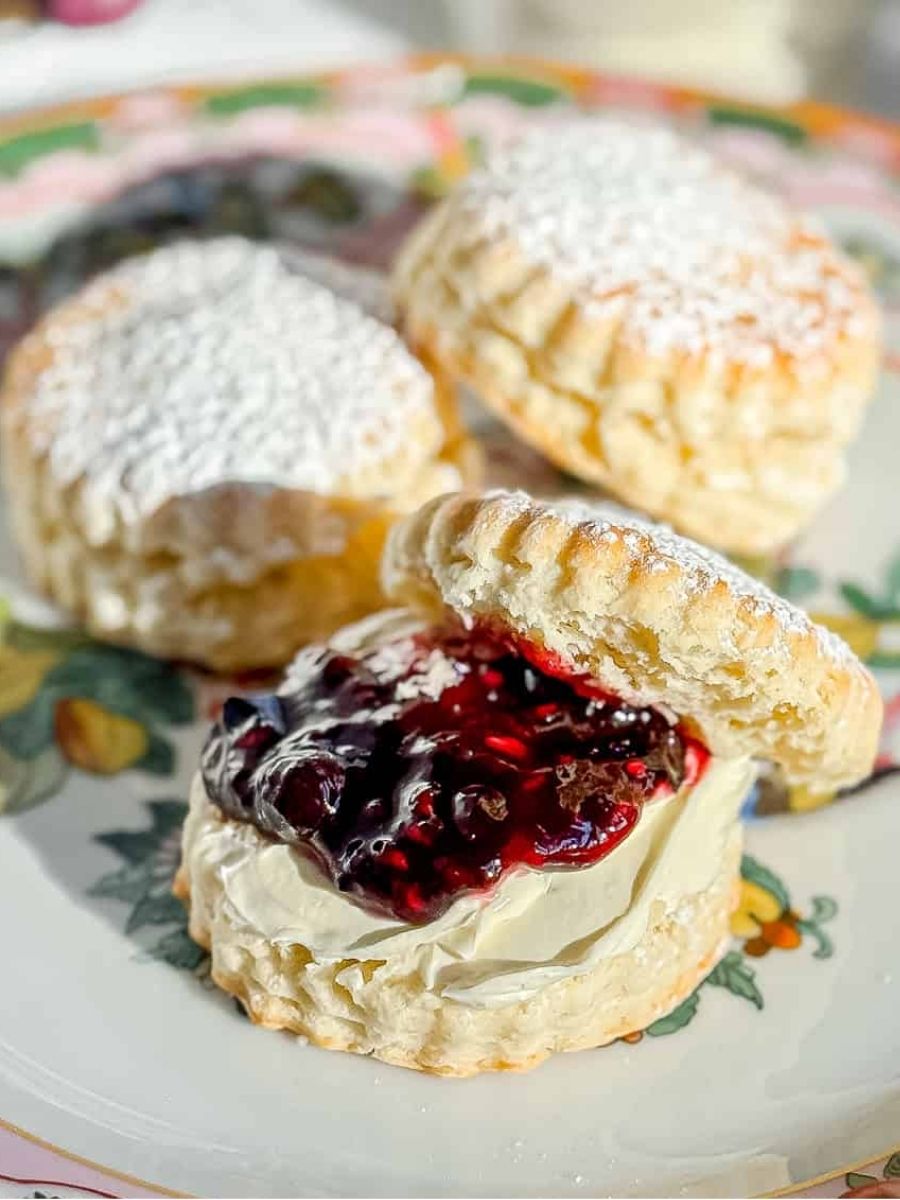

Traditional British Scones with Cream
Ingredients
Equipment
Method
- Combine Dry Ingredients: In a large bowl, whisk together the flour, baking powder, kosher salt, and sugar, or sift them together to remove any lumps.
- Cut in the Butter: Add the cold, cubed butter to the flour mixture. Use your fingertips in a finger-snapping motion or a pastry blender to work the butter into the flour until the mixture has a fairly uniform texture with no large pieces of butter remaining. A food processor may also be used for this step.
- Add Wet Ingredients: Whisk the egg and cold heavy cream together, then pour the mixture into the flour and butter mixture.
- Form the Dough: Gently stir until most of the dry ingredients have been incorporated. Do not overmix; a few dry pockets of flour may remain at the bottom of the bowl.
- Transfer the Dough: Turn the entire mixture, including any dry bits, onto a lightly floured counter.
- Gather the Dough: Use your hands to bring the dough together, kneading as little as possible to avoid overworking it.
- Roll or Pat the Dough: Pat or gently roll the dough to approximately ½ to ⅔ inch thick.
- Cut the Scones: Use a 2 to 2½-inch fluted cutter, biscuit cutter, or cookie cutter to cut the dough into rounds. Press the scraps together gently and cut additional scones from the remaining dough.
- Chill the Scones: Arrange the cut scones on a parchment-lined baking sheet and place them in the freezer while the oven preheats.
- Preheat the Oven: Heat the oven to 425°F while the shaped scones chill.
- Brush the Tops: Once the oven reaches 425°F, remove the scones from the freezer and lightly brush the tops with extra cream, or use an egg wash made by whisking 1 egg with 1 tablespoon of water.
- Bake the Scones: Bake for 12–15 minutes, or until the tops are golden brown.
- Cool: Leave the baked scones on the baking sheet for at least 10 minutes before serving.
- Finish: If desired, dust the cooled scones lightly with powdered sugar.
Notes
- Keep the butter cold and cubed when incorporating it into the flour for the intended tender texture.
- Work the butter into the flour until there are no large butter pieces, but avoid unnecessarily overworking the mixture.
- When combining the wet and dry ingredients, stir only until most of the flour is incorporated. Some dry flour pockets may remain.
- Knead the dough as little as possible when bringing it together on the counter.
- Pat or roll the dough to approximately ½–⅔ inch thick for the specified scone size.
- Use a 2–2½-inch cutter to create the scone rounds.
- Chilling the shaped scones in the freezer while the oven preheats is part of the original method.
- Bake at 425°F for 12–15 minutes, watching for the tops to become golden brown.
- Allow the baked scones to cool on the baking sheet for at least 10 minutes before serving.
- For storage, keep completely cooled scones in an airtight container or tightly wrapped in plastic wrap at room temperature for up to 2 days.
- To reheat, warm them in a 350°F oven for 5–10 minutes to help restore their soft texture and crisp edges.
Chef’s Secret
The most important technique for these scones is to keep the butter cold and handle the dough minimally.
Work the butter into the flour until the mixture is fairly uniform, then gently bring the dough together without extensive kneading.
This preserves the delicate texture the recipe is designed to produce.
The brief freezer rest after cutting also fits naturally into the method, giving the shaped scones a chance to chill before they go into the hot oven.
Serving Suggestions
Serve these British cream scones warm or cooled, with a light dusting of powdered sugar if desired.
They are especially suited to a traditional tea-time spread and can be enjoyed alongside your favorite tea or coffee.
For a simple breakfast or brunch, arrange the scones on a serving platter and offer complementary toppings or accompaniments at the table, allowing everyone to finish them according to their preference.
Conclusion
These Traditional British Cream Scones are a simple, classic bake built around cold butter, rich cream, and gentle handling.
With their golden tops and tender interiors, they make an inviting addition to breakfast, brunch, or afternoon tea.
The straightforward preparation and short baking time make them an easy homemade treat whenever you want freshly baked scones.
